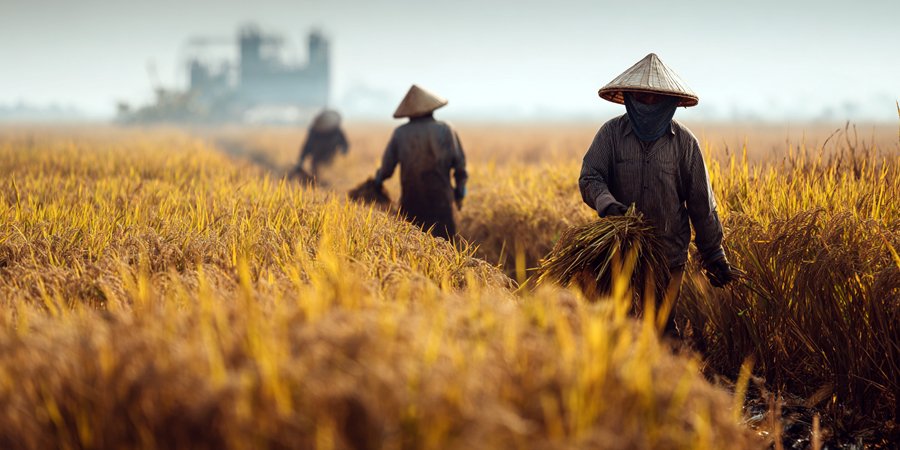
Vietnam agriculture modernisation lies at the heart of the country’s development strategy.
As one of the world’s top exporters of rice, coffee, and seafood, Vietnam recognises that sustaining productivity and competitiveness requires transforming traditional farming into a high-tech, climate-resilient sector. The government’s reforms aim to combine innovation, sustainability, and rural inclusion.
Vietnam agriculture modernisation is supported by significant investment in infrastructure, irrigation, and digital technologies. Smart farming techniques, precision irrigation, and satellite-based monitoring are now being deployed across major agricultural zones. According to the Ministry of Agriculture and Rural Development, over 2,000 cooperatives have adopted digital management systems to track yields and optimise resource use.
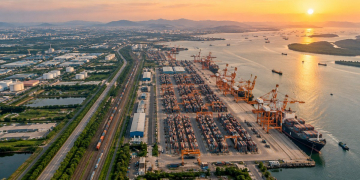
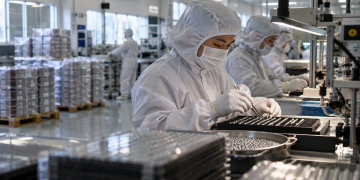
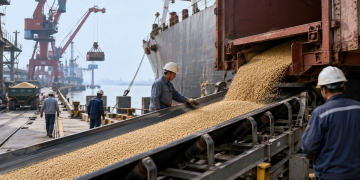
The private sector plays a vital role in this transformation. Agritech startups are developing AI-driven platforms for pest control, soil analysis, and supply chain traceability. Meanwhile, foreign investors are financing cold storage facilities and food processing plants that improve export readiness. These innovations are strengthening Vietnam agriculture modernisation by connecting rural producers with global markets.
Policy frameworks underpin progress. The government’s 2030 Agriculture Development Plan prioritises sustainable land use, water management, and diversification of crops beyond rice. Export incentives and public–private partnerships encourage investment in value-added processing, while vocational training equips farmers with digital and mechanical skills.
Climate change remains the greatest challenge. Rising sea levels threaten the Mekong Delta, the country’s key agricultural region. To mitigate risk, Vietnam agriculture modernisation includes adaptive measures such as salt-resistant crops, aquaculture integration, and renewable energy use in rural processing.
For investors, Vietnam agriculture modernisation presents opportunities across the value chain — from equipment manufacturing to green financing. The country’s ability to merge sustainability with profitability is drawing attention from development banks and impact investors alike.
The success of Vietnam agriculture modernisation will define the nation’s food security in an era of uncertainty. By combining innovation, institutional support, and community participation, Vietnam is not merely modernising agriculture — it is future-proofing it. The model emerging is one of sustainability and food resilience, positioning Vietnam as a benchmark for inclusive rural transformation in Asia.