


Philippines agro-exports have long been a lifeline of the country’s economy.
Agriculture remains a major employer, and exports of sugar, coconuts, and other products link the archipelago directly to global markets. While services such as outsourcing often dominate headlines, agro-exports continue to shape livelihoods, rural development, and foreign exchange earnings.
The government recognises this importance. Policies to support modernisation and diversification are increasingly focused on strengthening value chains, improving productivity, and enhancing sustainability. For investors, the Philippines agro-exports sector offers exposure to both established commodities and new value-added products designed for changing consumer demands worldwide.
Traditional Commodities with Enduring Value
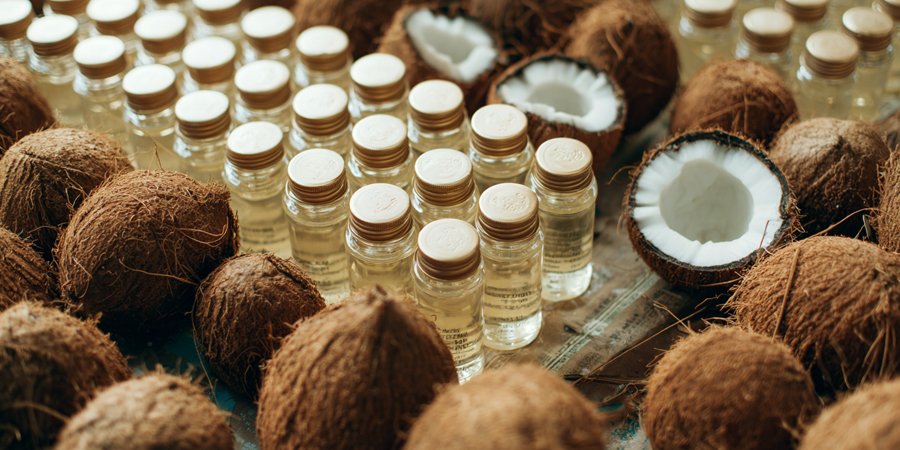
Sugar has historically been one of the country’s most prominent exports. Despite global volatility in prices, the Philippines retains a strong presence, particularly in Asian markets. Coconuts, however, are arguably even more significant. The country is one of the world’s leading exporters of coconut oil and related products, feeding into supply chains for food, cosmetics, and biofuels.
Philippines agro-exports are not static. They are increasingly shaped by consumer trends favouring natural, organic, and health-oriented products. From virgin coconut oil to coconut water, producers are targeting premium markets in North America, Europe, and the wider Asia-Pacific region.
Moving Up the Value Chain
The challenge for the Philippines agro-exports sector lies in shifting from raw material exports to value-added processing. Coconut shells, husks, and fibres can all be converted into higher-value products, ranging from activated carbon to coir-based textiles. By capturing more value locally, the sector can generate higher incomes and more stable growth.
Investors are already showing interest in processing facilities and agro-industrial clusters. Infrastructure improvements, particularly in logistics and cold chain storage, are critical to ensuring that products reach international markets efficiently and meet strict quality standards.
Sustainability and Climate Risks
Climate change is a pressing concern for Philippines agro-exports. Typhoons, droughts, and shifting rainfall patterns directly affect yields. Sustainability initiatives, such as resilient farming practices and replanting programmes, are therefore gaining traction. International buyers increasingly demand proof of sustainable sourcing, making certification schemes essential for market access.

For investors, this emphasis on sustainability represents both risk and opportunity. Projects that incorporate climate resilience and community inclusion are more likely to secure long-term contracts and financing. Development finance institutions are already active in supporting these models.
Financing the Sector’s Future
Access to capital remains a hurdle for many smallholder farmers and cooperatives. Innovative financing tools, including blended finance, microcredit, and public-private partnerships, are gradually helping bridge the gap. These instruments not only improve productivity but also enable rural communities to benefit more equitably from export growth.
The government’s role is also pivotal. By offering tax incentives and investment promotion schemes, Manila is signalling its intention to support agro-industrialisation. Regional trade agreements within ASEAN further widen opportunities for expansion.
Looking Ahead
Philippines agro-exports are evolving. While sugar and coconuts remain the backbone, the shift towards value-added, sustainable, and climate-resilient production is redefining the sector. For policymakers, this means ensuring that infrastructure, finance, and trade policies align with these new realities. For investors, it means recognising that agriculture in the Philippines is not a relic of the past but a growth sector with global relevance.
By leveraging its comparative advantage and investing in innovation, the Philippines has the potential to move from commodity dependence to a diversified agro-export powerhouse. The future of Philippines agro-exports will be measured not only in tonnes shipped but in value created for both rural communities and global consumers.


